
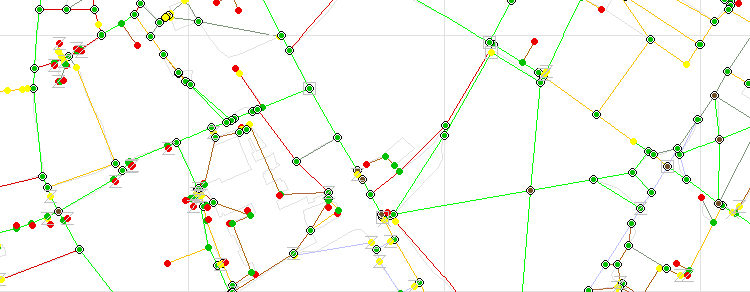
We’re pleased to announce the availability of a new CycleStreets R package that enables easy access to our routing API. It enables R programmers to calculates cyclable routes in a reproducible command line interface, and obtain detailed metadata, e.g. quietness, elevation change, etc. Quietness values within a route. See an interactive version of this map, […]
Every GB road collision – mapped
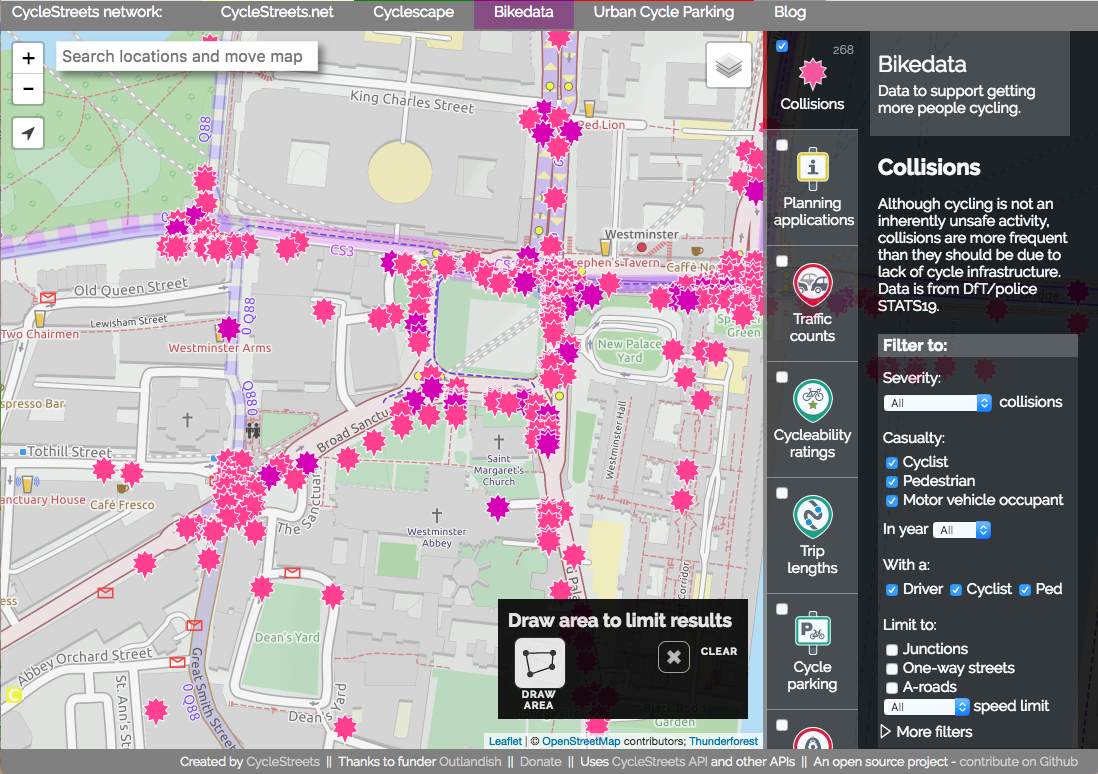
As campaigners for getting more people cycling, a crucial issue for us is safety of our streets. Safer streets means more people cycling – as places like the Netherlands and other European cities show. Every year, the Department for Transport issues a massive data release, detailing every reported road collision in Great Britain, what vehicles […]
Developers – need cycle parking in your app? Use our Cycle parking API
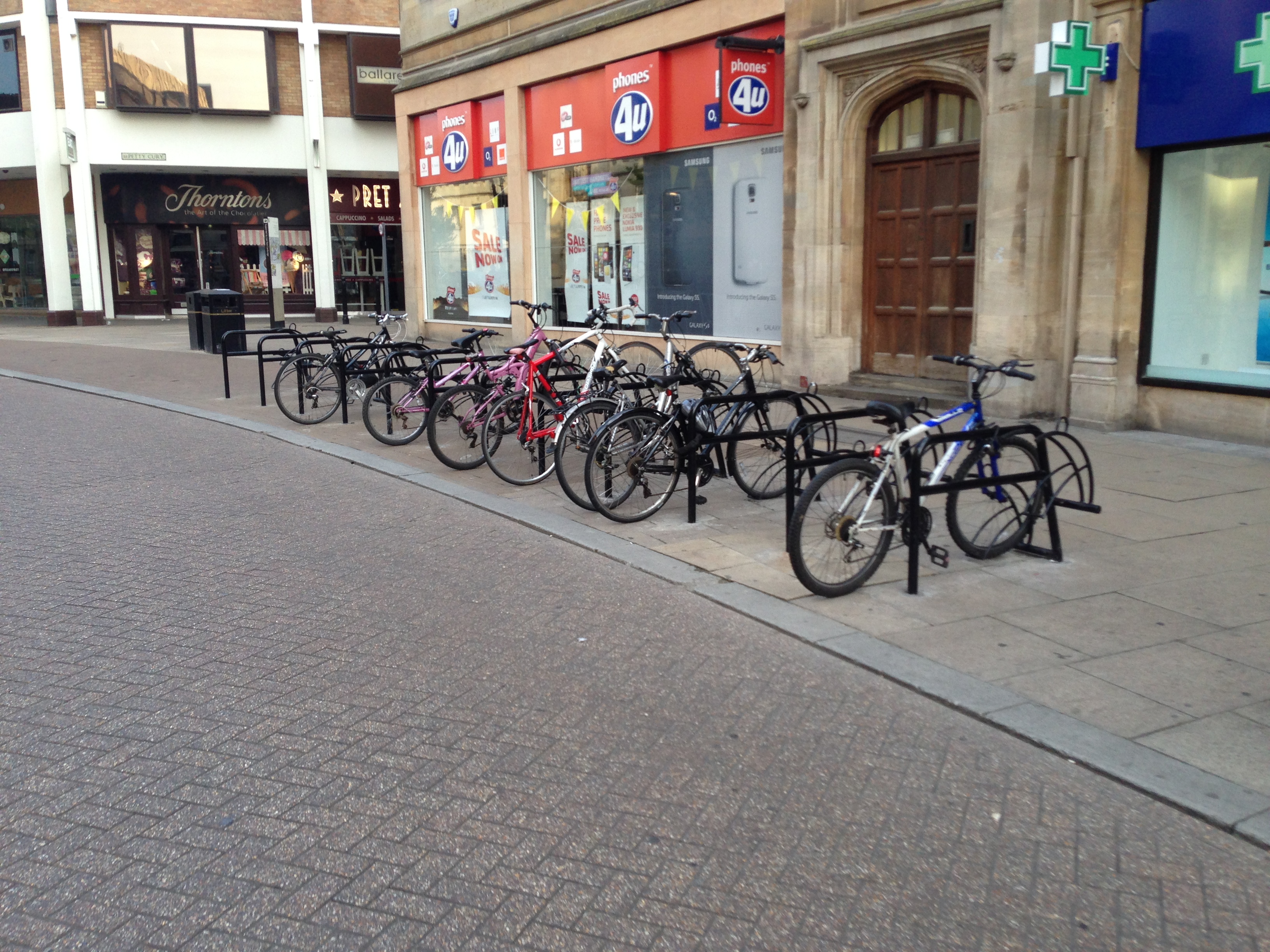
This is a post for app developers. So it contains some techy stuff which probably won’t be of interest to our cycle routing users. Knowing where you can find cycle parking as a cyclist, especially in cities, is helpful in avoiding theft, as well as helping keeping busy streets tidy. By providing information on where […]
CycleStreets.net in the Propensity to Cycle Tool
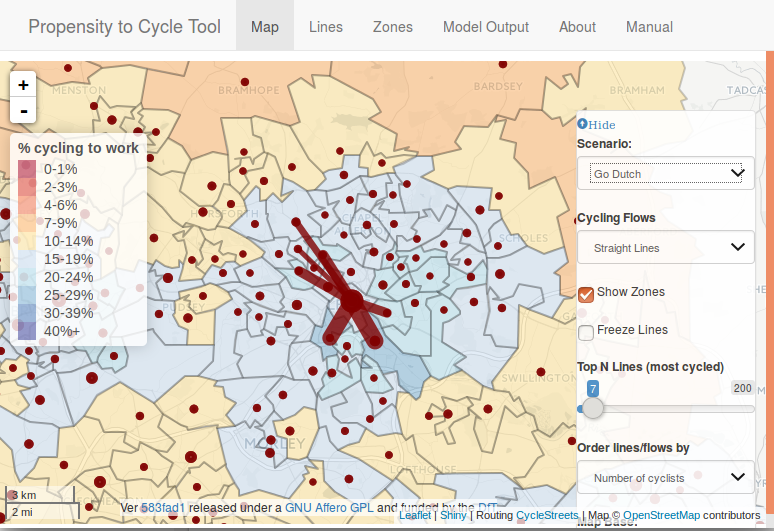
A guest post from Robin Lovelace: After 2 years in the making, the paper describing the Propensity to Cycle Tool (PCT), and the thinking behind it, has finally been published (Lovelace et al. 2016). The PCT is an online tool for helping to decide where to prioritise cycling policies such as new cycle paths. The […]
Bike Hub app relaunched
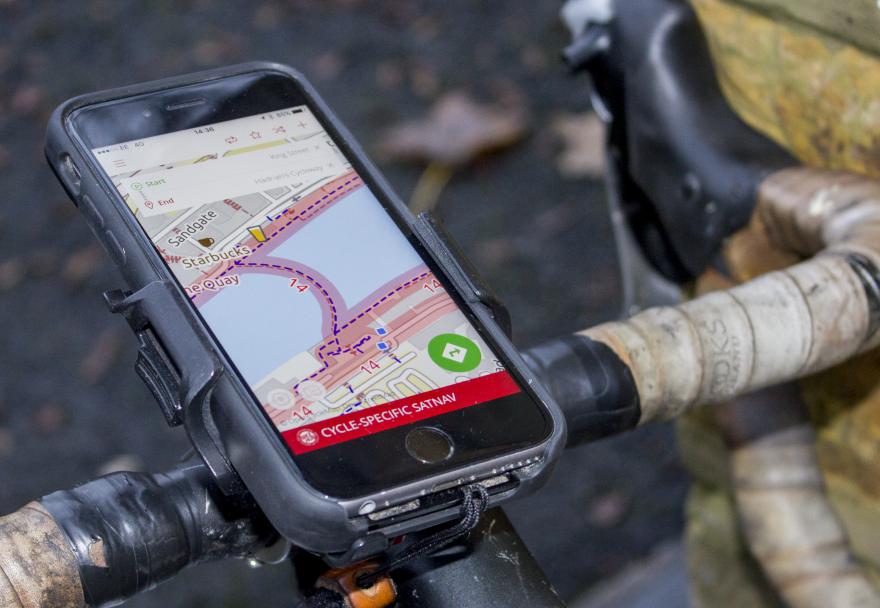
A guest post from Carlton Reid, who writes about the fantastic new version of the Bike Hub app: The Bike Hub cycle-specific satnav app, available for iPhone and Android, has been redesigned from scratch. Now six years old the all-new app still uses the CycleStreets routing engine so can still navigate on quiet roads, cycleways and […]
Making data more usable by campaigners: our Outlandish Fellowship
We’re really pleased to announce that we’ve been selected for the Outlandish Fellowship to help local cycle campaigners by expanding our collisions data pages into a broader resource covering more types of data (e.g. traffic counts, pollution) and add lots of new ways to access it. Helping campaigners campaign Getting more people cycling brings a more sustainable and efficient transport […]
CycleHack Cambridge 2016
CycleHack is a 48-hour event aiming to make cities cycle-friendly through reducing the barriers to cycling and prototyping new ideas to improve the cycling experience and encourage more and safer cycling. More than 40 other cities around the world have signed up to host CycleHack events in their communities over the weekend of 24 to […]
Urban Cycle Parking website goes live across London
A new website, Urban Cycle Parking, [urbancycleparking.org.uk], built by CycleStreets, has been launched by London Cycling Campaign and Transport for London, aiming to outline where existing bike parking facilities are available in and around the capital and invites people to highlight existing facilities as well as outlining where more is needed. The site builds on the crowdsourcing components of […]
TransportHack @ Smarter Travel LIVE!
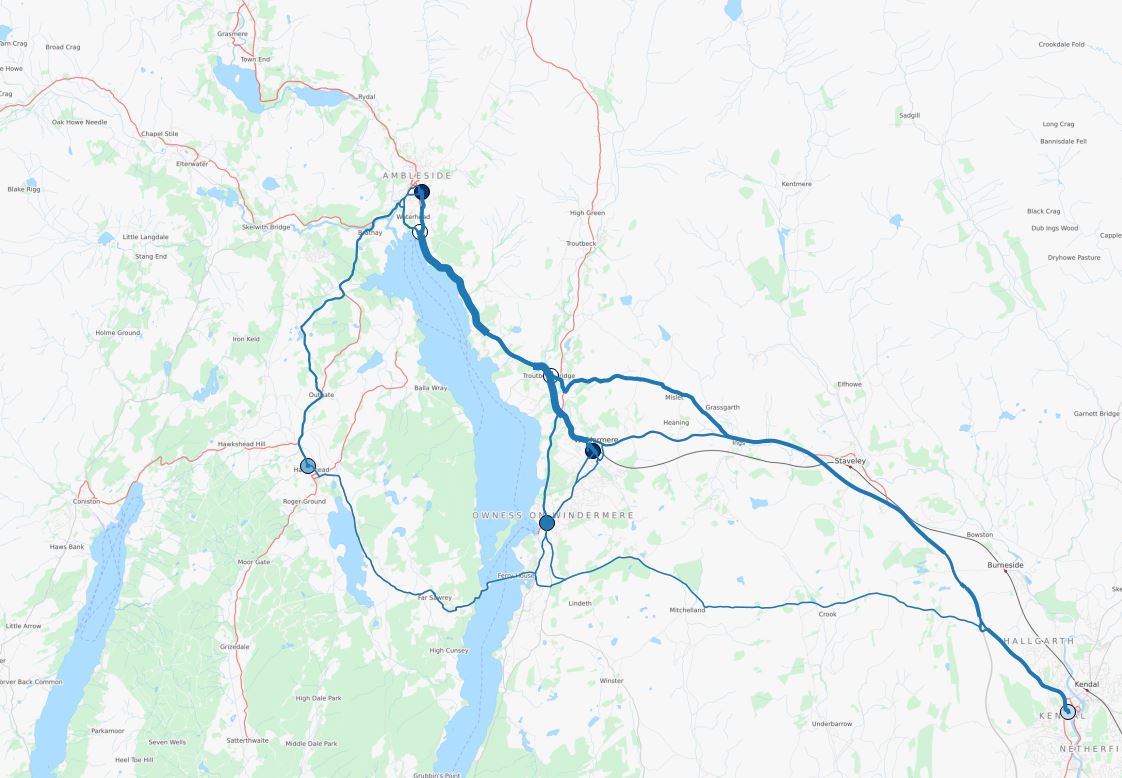
Matt Whittle writes: This weekend we attended the Smarter Travel Live hack weekend. The aim of the hack event was to produce an output to support one of five challenges set by various organisations. We chose to tackle the Carplus challenge which was to try and find a way to reduce the use of cars as the primary […]
Cycle commuting analysis of Bristol
We love it when our API comes in useful for academic purposes. This is a guest post by Richard Thomas. Bristol: Typical cycle commute time For my MSc dissertation, I investigated determinants of the proportion of people who choose to cycle for their daily commute. Specifically, I wanted to see whether an analysis of realistic […]